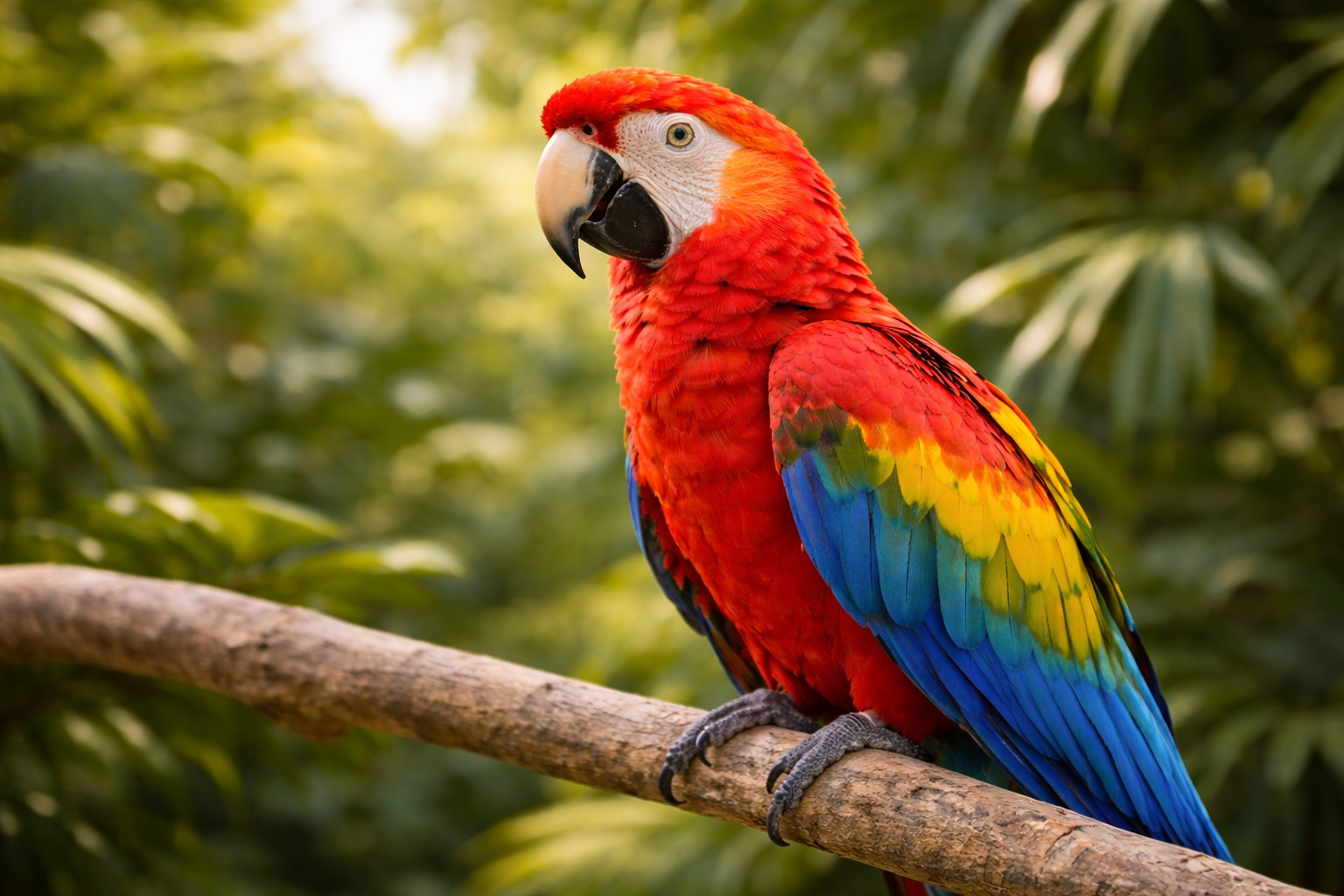
Understanding Macaws as Pets
Macaws are vibrant, intelligent birds that can make wonderful companions. With their striking colors and engaging personalities, many pet owners are drawn to these exotic birds. However, owning a macaw requires a significant commitment in terms of time, resources, and care.
Why Choose a Macaw?
Before diving into the specifics of macaw care and insurance, it's essential to understand why these birds are popular:
- Longevity: Macaws can live between 30 to 50 years, making them long-term companions.
- Intelligence: They are highly intelligent and can learn to mimic speech and perform tricks.
- Social Creatures: Macaws are social animals that thrive on interaction with their owners.
Veterinary Costs for Macaws
Like any pet, macaws require regular veterinary care. Understanding these costs is crucial for budgeting and considering pet insurance.
Routine Veterinary Care
The average annual cost for routine veterinary care for a macaw can range from $200 to $500. This includes:
- Annual check-ups
- Vaccinations
- Beak and feather care
Unexpected Medical Expenses
Unexpected health issues can arise, leading to higher costs. Common health problems in macaws include:
- Respiratory infections
- Feather plucking
- Obesity-related issues
Emergency veterinary visits can cost anywhere from $300 to $1,500, depending on the treatment required.
Importance of Pet Insurance for Macaws
Having pet insurance for your macaw can help alleviate the financial burden of unexpected medical expenses. Here are some reasons to consider insurance:
- Financial Protection: Insurance can cover a significant portion of veterinary bills, especially for emergencies.
- Peace of Mind: Knowing that you can afford necessary treatments can reduce stress.
- Access to Quality Care: Insurance allows you to seek the best care without financial constraints.
What to Look for in Macaw Insurance
When selecting pet insurance for your macaw, consider the following:
- Coverage Options: Ensure the policy covers both routine care and emergencies.
- Exclusions: Look for any exclusions specific to exotic pets.
- Deductibles and Premiums: Compare costs to find a balance that suits your budget.
- Claims Process: Research how claims are submitted and reimbursed.
Choosing the Right Insurance Provider
Not all insurance providers offer plans for exotic pets like macaws. Here are some reputable companies to consider:
- PetPlan: Offers comprehensive plans for exotic pets, including macaws.
- Embrace Pet Insurance: Known for customizable plans and good customer service.
- Nationwide: Provides coverage specifically for birds and other exotic animals.
Comparative Costs of Insurance
The average monthly premium for macaw insurance can range from $25 to $50. Below is a comparison of estimated annual costs based on different providers:
| Insurance Provider | Monthly Premium | Annual Cost |
|---|---|---|
| PetPlan | $30 | $360 |
| Embrace | $35 | $420 |
| Nationwide | $40 | $480 |
Practical Tips for Macaw Health and Care
Beyond insurance, ensuring the health of your macaw involves proper care. Here are some practical tips:
Diet and Nutrition
Macaws require a balanced diet rich in vitamins and minerals. Ensure they have:
- High-quality pellets
- Fresh fruits and vegetables
- Nuts and seeds in moderation
Environmental Enrichment
Macaws need mental stimulation to thrive. Provide:
- Toys to chew and play with
- Interactive games
- Opportunities for social interaction
Regular Exercise
Encourage exercise through:
- Supervised flight time
- Playtime outside the cage
- Structured activities
Conclusion
Owning a macaw can be a rewarding experience, but it comes with responsibilities. Investing in pet insurance can protect against unexpected health issues, helping you provide the best care for your feathered friend. By understanding the costs associated with macaw ownership and the importance of insurance, you can make informed decisions for your pet's future.