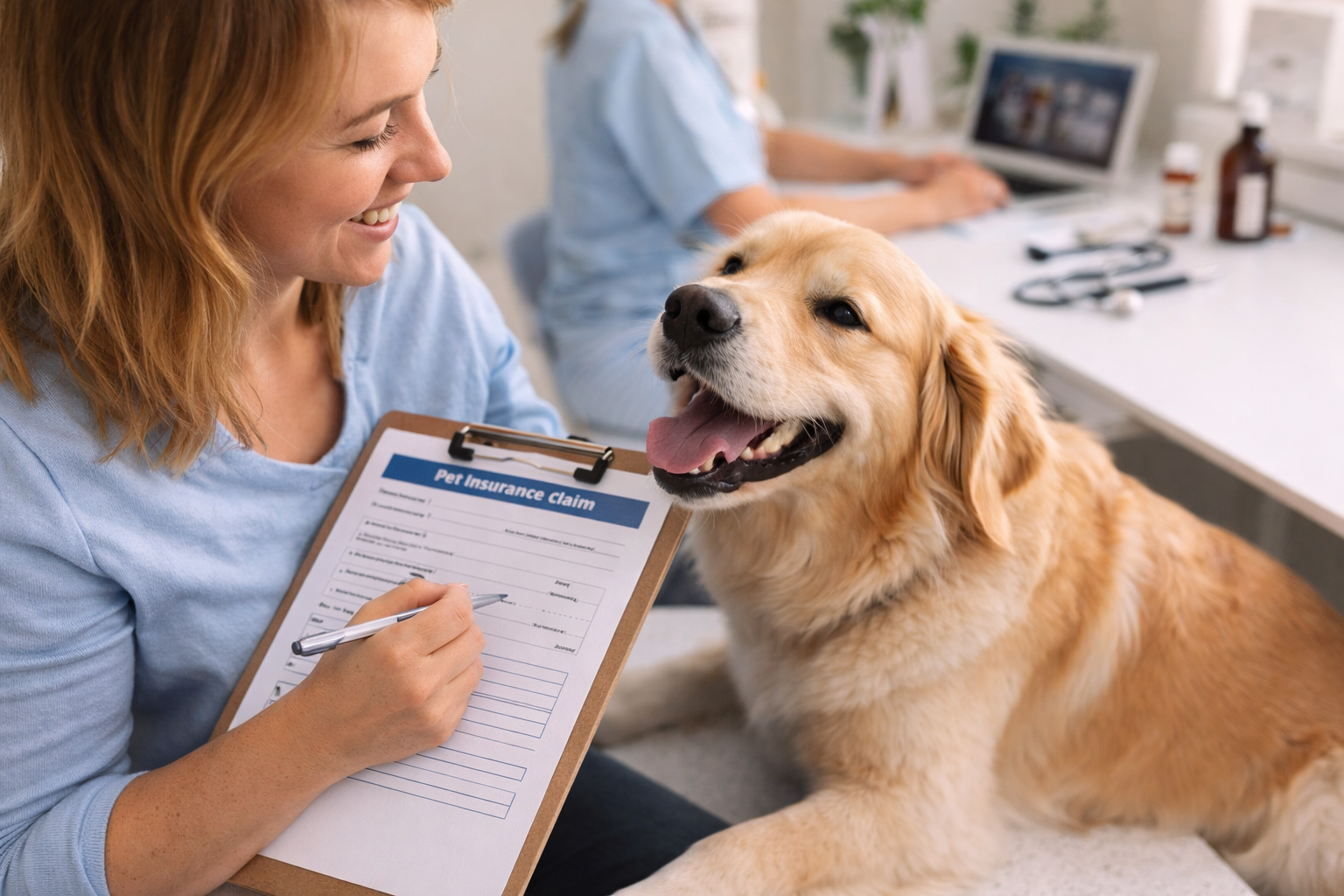
Understanding the Claims Process
Filing a pet insurance claim is simpler than most people think. The basic process involves paying your vet bill, submitting the claim with supporting documents, and receiving reimbursement. Most modern pet insurers have streamlined this process with mobile apps and online portals that make claims quick and easy.
Step-by-Step Guide to Filing a Claim
Step 1: Pay your vet bill. In most cases, you pay the full vet bill at the time of service. Keep the itemized invoice showing all procedures, medications, and costs.
Step 2: Gather documentation. You will need the itemized vet invoice, your pet's medical records for the visit, and any diagnostic results such as x-rays or blood work.
Step 3: Submit the claim. Most insurers offer multiple submission methods: mobile app, online portal, email, or fax. The mobile app is usually the fastest option.
Step 4: Wait for processing. Claim processing times vary by insurer, typically ranging from 2-30 business days. Simple claims are processed faster than complex ones.
Step 5: Receive reimbursement. Once approved, you will receive payment via direct deposit or check based on your reimbursement percentage minus the deductible.
Tips for Faster Claim Processing
- Submit promptly: File your claim within 48 hours of the vet visit for the fastest processing
- Include all documents: Missing information is the number one cause of claim delays
- Use the mobile app: Digital submissions are processed faster than paper claims
- Keep detailed records: Maintain a file of all vet visits, diagnoses, and treatments
- Set up direct deposit: This eliminates check mailing delays and gets money in your account faster
Common Reasons Claims Are Denied
Understanding why claims get denied can help you avoid issues:
Pre-existing conditions: The most common reason for denial. Any condition documented before your coverage start date.
Waiting period violations: Claims for conditions that developed during the waiting period will be denied.
Policy exclusions: Cosmetic procedures, breeding costs, and preventive care on basic plans are excluded.
Lapsed coverage: If your premium payment was missed and your policy lapsed, claims during the lapse period will be denied.
Direct Pay vs Reimbursement
A few insurers like Trupanion offer direct payment to your vet, eliminating the need to pay upfront. This is particularly valuable during expensive emergencies when you might not have thousands of dollars immediately available. Ask your insurer if they offer a direct-pay option.